By Alexis, Owner of Classy Contouring Med Spa
Portion control plays a crucial role in maintaining a healthy lifestyle, and it’s often overlooked. Many people assume that eating healthy simply means choosing the right foods, but the amount we eat is just as important. Whether you’re trying to lose weight or maintain a balanced diet, understanding and mastering portion control is key. Let’s explore some effective strategies to make this skill a natural part of your daily routine.
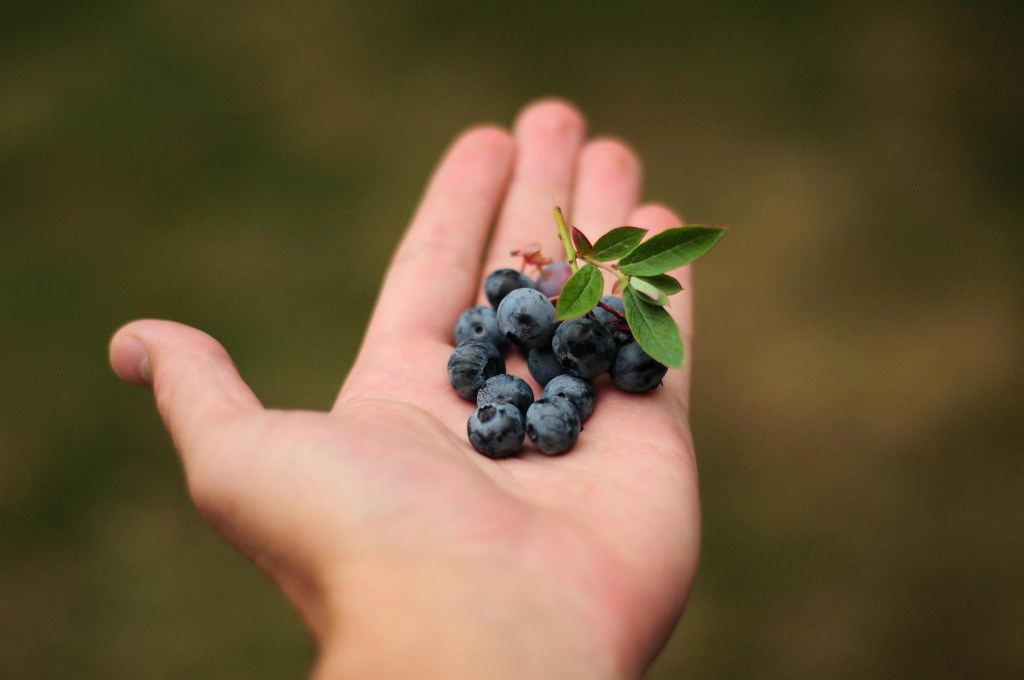
Did you know your hand can be one of the best tools for gauging portion sizes? For instance, the palm of your hand is a great guide for a 3-4 oz portion of protein, like chicken or fish. A cupped hand can measure out about half a cup of grains or pasta, while your fist represents a cup of veggies. This method simplifies the challenge of figuring out how much to eat without carrying around measuring tools.
Teaching Tip: Practice serving your meals using these visual cues at home, and you’ll quickly become an expert in portioning.
Portion in Advance
One way to ensure you’re eating the right amounts is to portion out meals and snacks in advance. Buying large packages of food often leads to overeating if you’re not careful. Instead, invest in smaller containers to pre-pack meals or snacks like nuts, fruits, or crackers. This helps to avoid mindlessly reaching for more.
Teaching Tip: When preparing a week’s worth of meals, portion out servings into containers. This keeps things simple and helps avoid the temptation of larger portions.
Use Smaller Plates
It’s been proven that our brains perceive more food on a smaller plate. By switching out your dinnerware for smaller plates or bowls, you’ll trick your brain into thinking you’re eating more than you actually are—without the guilt.
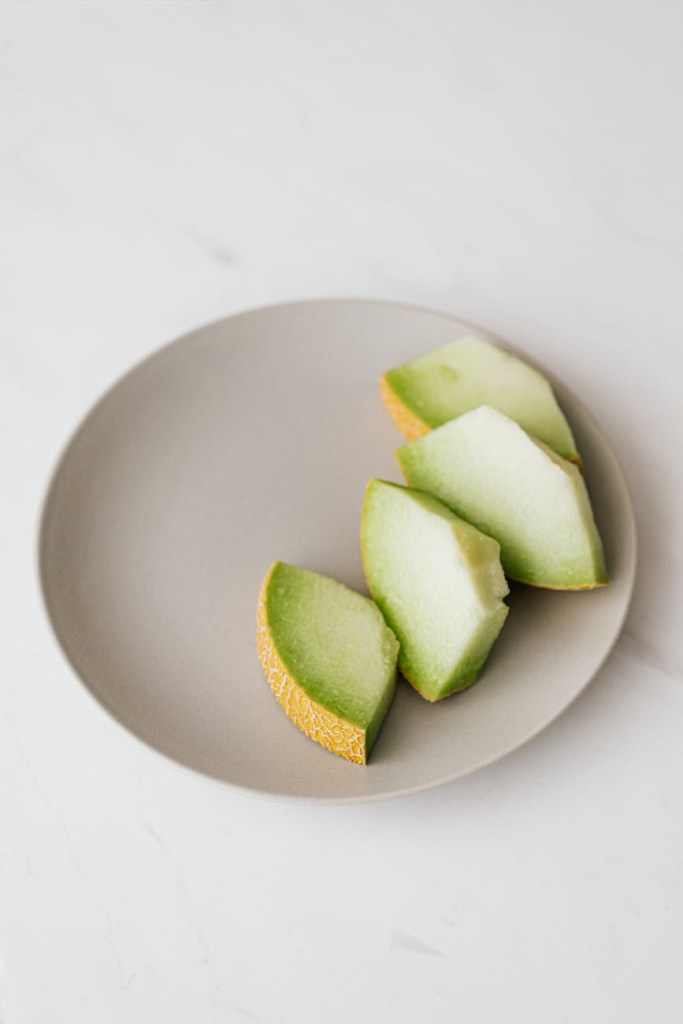
Teaching Tip: Try serving meals on a smaller plate and see how satisfied you feel. This simple change is an easy win when it comes to reducing portion sizes.
Slow Down and Practice Mindful Eating
When we eat too quickly, our body doesn’t have time to register fullness, which can lead to overeating. Slow down and savor each bite, giving your brain time to catch up with your stomach. Not only does this make meals more enjoyable, but it also allows you to listen to your body’s hunger cues.
Teaching Tip: Encourage those around you to avoid distractions while eating, such as TV or phones. Make mealtime an opportunity to focus on the food and your body’s signals.
Don’t Feel Obligated to Finish Your Plate
The “clean plate” mentality, often ingrained from childhood, can work against your goals of portion control. Remember, it’s okay to save leftovers or leave food behind when you’re satisfied. Your body doesn’t need more food just because it’s in front of you.
Teaching Tip: When you start feeling full, stop eating—even if there’s food left. This simple habit can go a long way in preventing overeating.
Read Nutrition Labels
Many packaged foods contain more servings than you might think. Understanding the serving sizes on food labels can help you know how much to eat and avoid unintentional overconsumption. Keep an eye on things like calories, fat, and sugar to better control your intake.
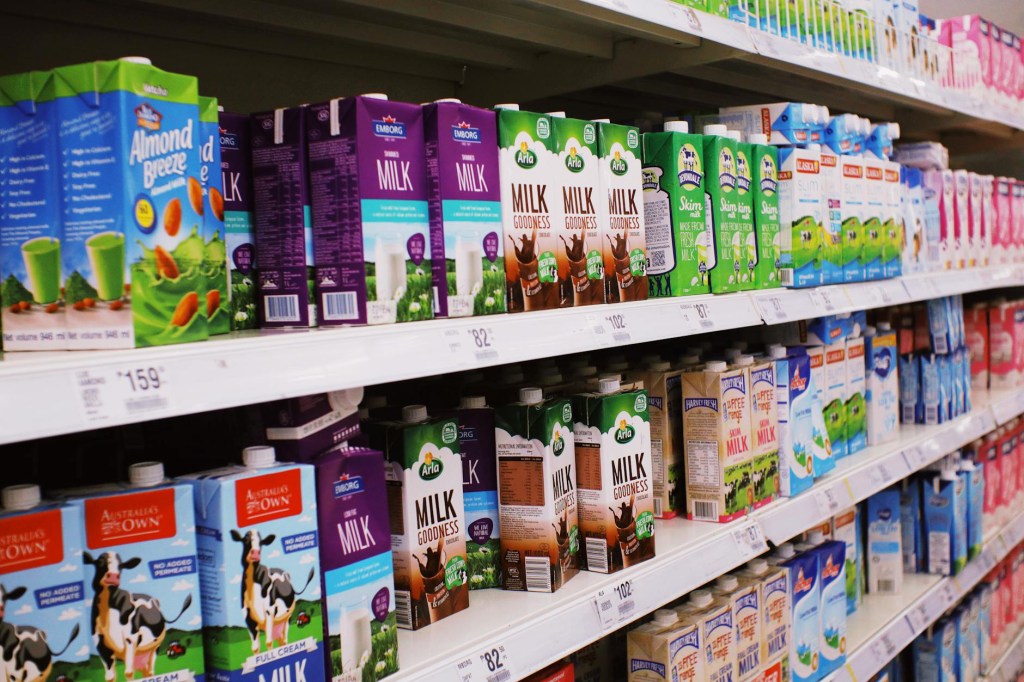
Teaching Tip: Turn grocery shopping into a teaching moment by reading nutrition labels together. Show others how much a single serving is compared to how much they usually consume.
Serve from the Kitchen
Instead of setting out large platters on the dining table, serve meals directly from the kitchen. This helps avoid the temptation of second (or third) helpings. Portion your food onto plates and resist the urge to go back for more unless you’re genuinely hungry.
Teaching Tip: Implement this habit for family meals. By keeping food in the kitchen, you’ll be less likely to overeat simply because the food is right in front of you.
Balanced Plates for Better Portions
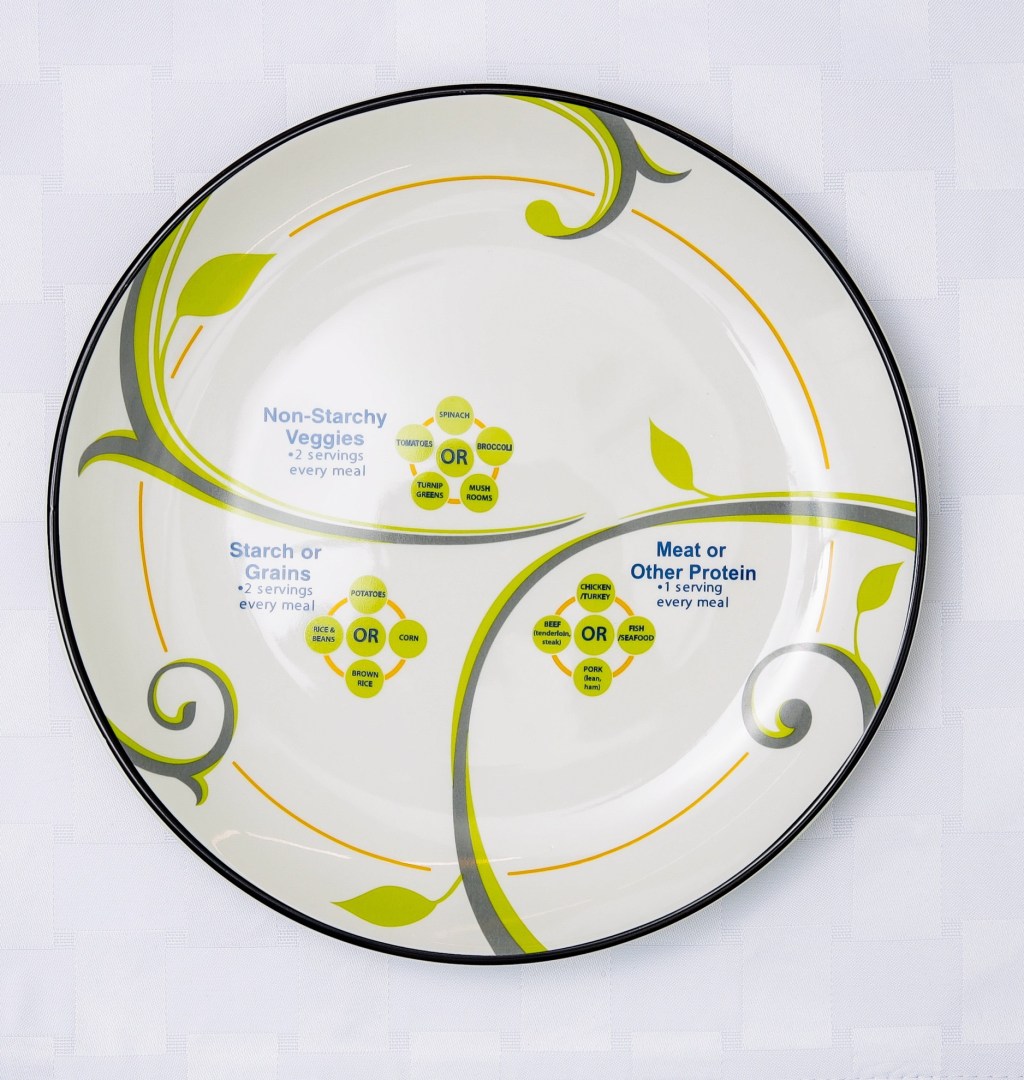
The easiest way to practice portion control is by following the balanced plate method. Half of your plate should be filled with fruits and vegetables, a quarter with lean protein, and the remaining quarter with whole grains or starchy vegetables. This visual guideline helps ensure you’re getting a balanced, nutritious meal without overeating any one food group.
Teaching Tip: When serving meals, encourage others to create their plates with this balanced model. It’s an easy way to teach healthy eating without strict measuring.
Plan for Long-Term Success
Mastering portion control is about building habits over time. The more you practice measuring portions, the better you’ll become at estimating the right amounts without much effort. And by sharing these tips with others, you can help them develop lifelong healthy eating habits, too.
Final Thoughts
Portion control doesn’t have to feel like a chore. By using visual cues, slowing down during meals, and practicing mindful eating, you can manage your portions effectively and live a healthier life. Teaching these simple but impactful habits to others can create positive, lasting changes that support long-term wellness.
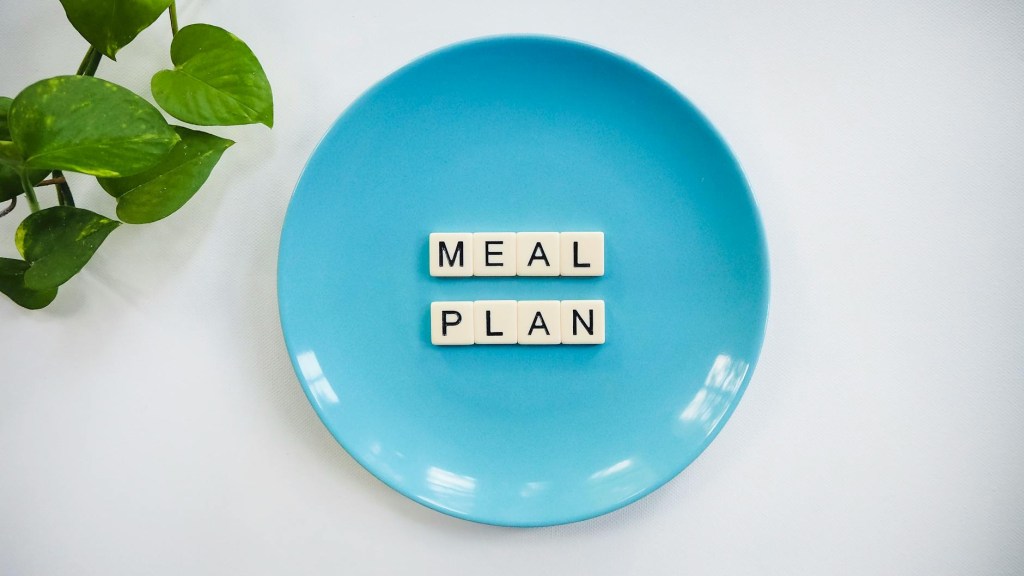
At Classy Contouring Med Spa, we believe that healthy living isn’t just about what you eat, but how much you eat. Start incorporating these portion control strategies today for a more balanced, healthier you!


 Classy Contouring
Leave a comment