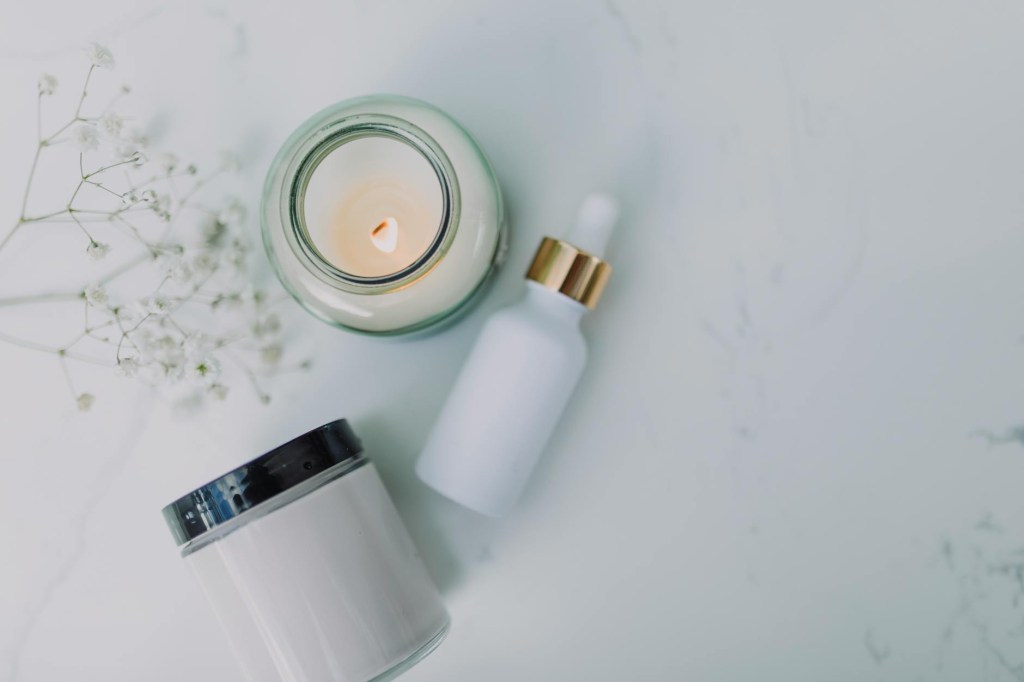
Post-treatment care is a crucial step in maximizing the results of any cosmetic or aesthetic procedure, and one of the most effective ways to support your skin’s healing and maintenance is by using medical-grade skincare products. These products are formulated with higher concentrations of active ingredients, such as antioxidants, peptides, and growth factors, than over-the-counter options. This ensures they penetrate deeper into the skin, providing targeted solutions to specific concerns like inflammation, pigmentation, and healing after treatments.
Medical-grade skincare is also clinically tested and backed by science, meaning the formulas are designed to enhance your skin’s recovery and prolong the benefits of your treatments, whether it’s chemical peels, microneedling, or laser therapies. These products are often recommended by dermatologists or licensed estheticians because they are customized to meet your skin’s unique needs, helping to improve texture, tone, and overall health.
Investing in medical-grade skincare as part of your post-treatment care routine not only protects the investment you’ve made in your skin, but also ensures long-term results by nurturing and fortifying your skin barrier, reducing the risk of complications, and promoting faster recovery.
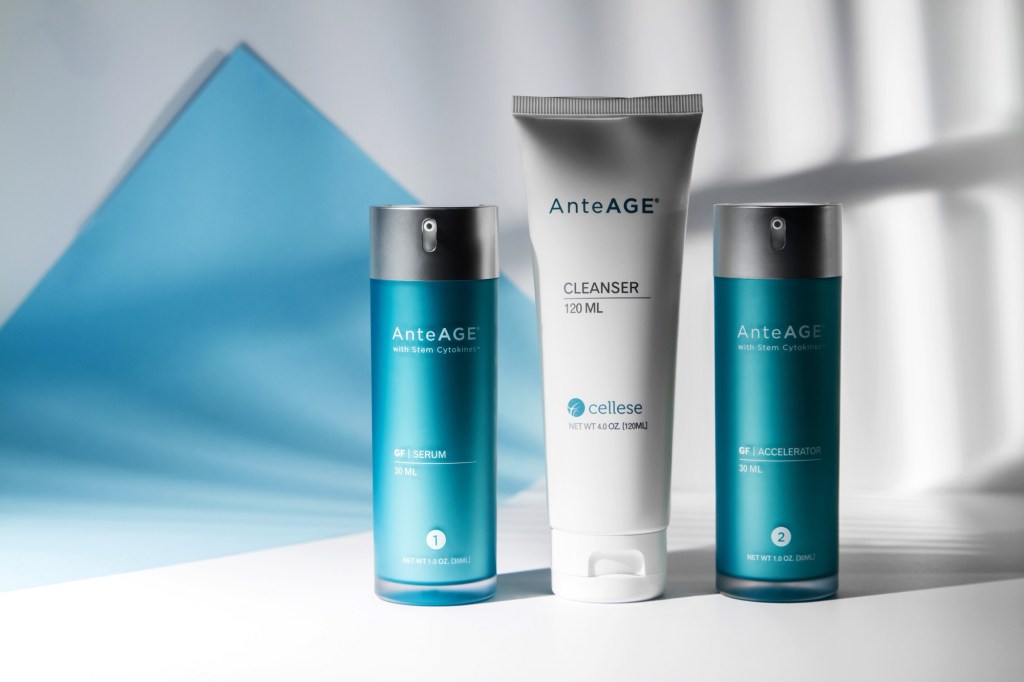
When choosing skincare products, it’s important to understand the difference between medical-grade skincare and over-the-counter (OTC) products. Both can offer benefits, but they cater to different needs.
Medical-Grade Skincare
Medical-grade skincare products are formulated with higher concentrations of active ingredients, such as retinoids, peptides, and hyaluronic acid. These ingredients are designed to penetrate deeper layers of the skin, targeting specific concerns like acne, hyperpigmentation, or aging. Since these products are backed by clinical research, they are often recommended by dermatologists or licensed professionals. Medical-grade products are also subject to more rigorous testing and must meet certain efficacy standards.
Over-the-Counter Skincare
OTC products, on the other hand, are generally available at drugstores, beauty shops, and online. While they do contain beneficial ingredients, the concentrations are typically lower to ensure safety for the general population. OTC products focus more on providing basic care, such as moisturizing or cleansing, and may not offer the same potency for treating specific skin issues. They are also designed to work for a broad audience, meaning they may not be as tailored or targeted as medical-grade options.
Key Differences
- Ingredient Potency: Medical-grade products have stronger, higher concentrations of active ingredients, while OTC products contain lower doses to avoid irritation for general use.
- Skin Penetration: Medical-grade formulas penetrate deeper into the skin, offering more effective treatment for concerns like fine lines, acne, or pigmentation, whereas OTC products typically work on the skin’s surface.
- Regulation and Testing: Medical-grade skincare undergoes clinical trials and is often prescribed or recommended by a professional, while OTC skincare is more widely accessible but with less stringent testing.
In summary, medical-grade skincare is ideal for those looking to address specific concerns with proven, high-potency formulas, while OTC products can be great for general, everyday skin maintenance.


 Classy Contouring